European machinery USA
Automation support for European machinery in U.S. plants.
A practical bridge between European machine controls and U.S. production, maintenance and integration teams.
Short positioning
This service helps U.S. plants operate, troubleshoot and hand over European machinery that uses automation standards different from the local plant environment. It is useful when the machine is technically capable but difficult for the U.S. team to support because of PLC platform, documentation style, fieldbus architecture or OEM communication gaps.
Typical problems we solve
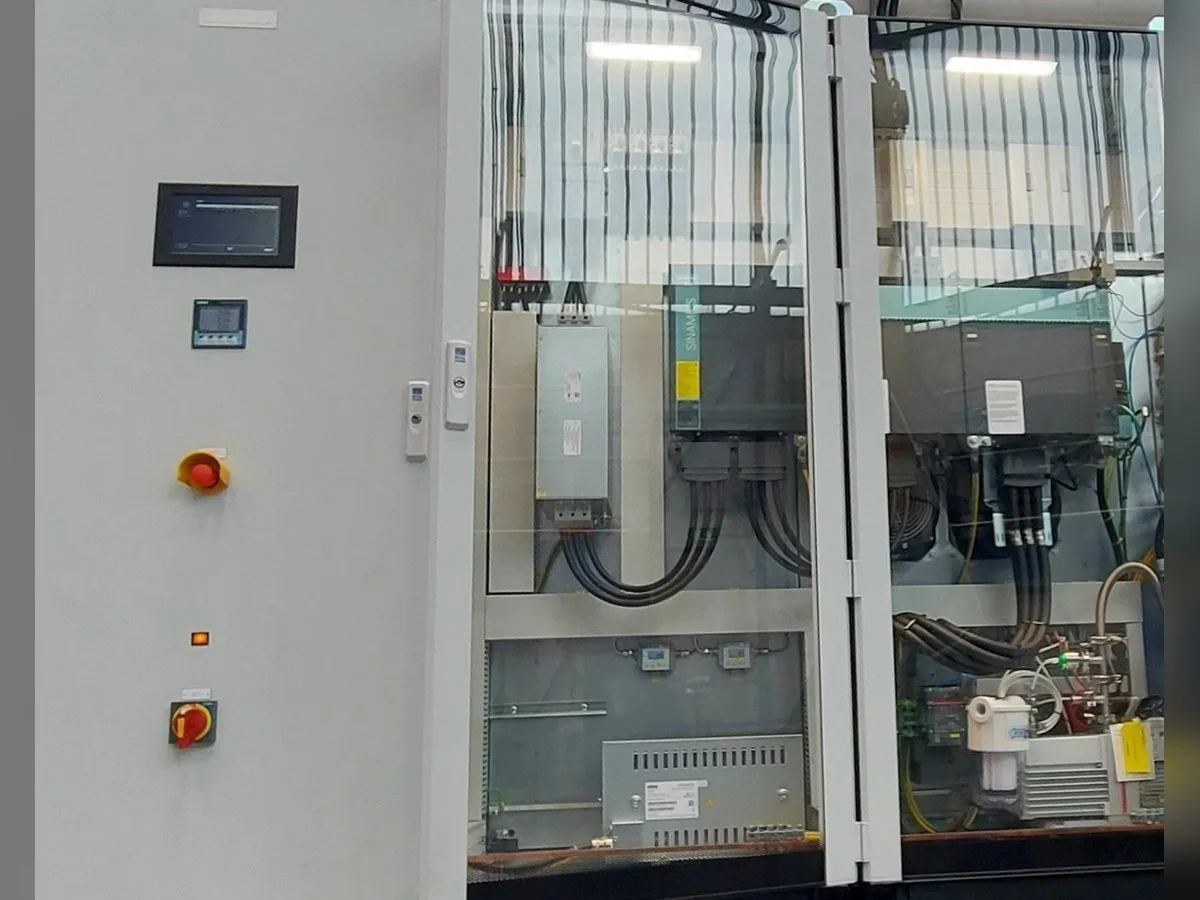
European machinery can be difficult to maintain when documentation, PLC platform, fieldbus standards or OEM assumptions differ from the local plant standard. The issue may not be that the machine is poorly built; it may simply be unfamiliar to the maintenance team that must keep it running.
- German or European OEM machine startup in the United States
- Siemens or CODESYS systems in Rockwell-centered plants
- Maintenance handover and documentation gaps after installation
- Profinet, OPC UA, Modbus TCP, MQTT or BACnet integration issues
- European electrical documentation style that needs explanation or update
- Need for remote diagnosis before planning onsite commissioning work
Systems and platforms covered
Typical systems include Siemens TIA Portal, S7 PLCs, WinCC, CODESYS-based PLCs, WAGO systems, Profinet, OPC UA, MQTT, Modbus TCP, BACnet, industrial Ethernet and EPLAN-related documentation. The exact scope depends on the machine, available access, support agreement and documentation.
The service is especially useful where a U.S. plant is primarily built around Rockwell / Allen-Bradley practices but receives a machine from Germany, Austria, Switzerland, Italy, the Netherlands or another European supplier.
How support works
The first step is a technical intake: machine type, OEM, PLC/HMI platform, available backups, current issue, urgency, support mode and what the plant team already tried. Remote work can clarify many issues before travel, including screenshots, alarm lists, backup review, architecture review and communication with the OEM.
After the intake, the work can focus on startup, troubleshooting, handover, integration, documentation or a defined retrofit scope. The aim is to translate the machine's European automation context into a support path that U.S. maintenance and engineering teams can use.
Remote vs onsite support
Remote support works well for project review, alarm interpretation, OEM coordination, documentation review, PLC/HMI screenshots, network topology checks and preparing a commissioning plan. It can reduce cost and prevent travel before the actual problem is understood.
Onsite support is more appropriate when the work requires I/O checks, cabinet inspection, field device diagnosis, production startup, operator training support or direct coordination during commissioning. A remote-first step can define whether onsite work is needed and what tools, backups and plant resources should be prepared.
Deliverables / what the customer gets
- Technical diagnosis and project notes
- PLC/HMI/fieldbus findings
- Handover support for maintenance teams
- Integration recommendations for mixed environments
- Follow-up scope for retrofit or documentation work
Good fit / not a good fit
Good fit: European OEM machinery, imported production equipment, Siemens or CODESYS systems in U.S. plants, startup problems, maintenance handover, data integration and retrofit planning.
Not a good fit: non-industrial devices, unrelated office IT, or requests where the machine, platform and support authority cannot be identified.
Related technologies
Related technologies include Siemens TIA Portal, S7-1200, S7-1500, WinCC, CODESYS, WAGO, Profinet, OPC UA, MQTT, Modbus TCP, BACnet, industrial Ethernet diagnostics and EPLAN documentation. If the main issue is PLC startup, see PLC troubleshooting and commissioning. If the main issue is documentation, see EPLAN documentation support.
Related case studies or examples
Examples include a German OEM machine that needs U.S. plant handover, a Profinet device issue that local maintenance has not seen before, or a European machine that must exchange data with a U.S. reporting system. The IT/OT diagnostics example and migration example show related engineering patterns.
FAQ
Do you support all European machines?
No. The fit depends on the control platform, documentation, access and project authority. The first step is to review the technical context.
Can communication with German or European teams be supported?
Yes. English is the default for the U.S. site; German can be useful when German or European stakeholders are involved.
What should I send first?
Send the machine type, OEM, PLC/HMI platform, issue description, location, urgency, available backups and whether remote or onsite support is expected.
Next step
Send the machine context and the current support problem. If the machine is already in production, include the downtime risk and what documentation is available.
Discuss a Machine IssueSiemens supportCODESYS supportAll services