IT/OT integration USA
Industrial data paths between PLCs, SCADA, edge systems and IT.
Practical integration support using OPC UA, MQTT, Modbus TCP, industrial Ethernet and edge data collection.
Short positioning
This service helps U.S. manufacturers move useful information from PLCs, machines and SCADA environments toward edge systems, databases, dashboards or reporting workflows. The goal is a reliable data path that respects production needs and OT boundaries, not an oversized platform project before the actual data problem is understood.
Typical problems we solve
Industrial data projects often get stuck between automation teams and IT teams. PLC data may be available, but not in a structure that is useful, reliable or safe for operations. A good integration concept starts with the machine and the process, then chooses the technical path.
- PLC data needs to reach edge, database, dashboard or reporting systems
- OPC UA, MQTT or Modbus TCP integration is unclear
- Machine data logging is needed without changing core PLC logic
- Network behavior must be diagnosed with practical tools
- OT and IT responsibilities need clearer boundaries
- A small proof-of-concept is needed before a larger rollout
Systems and platforms covered
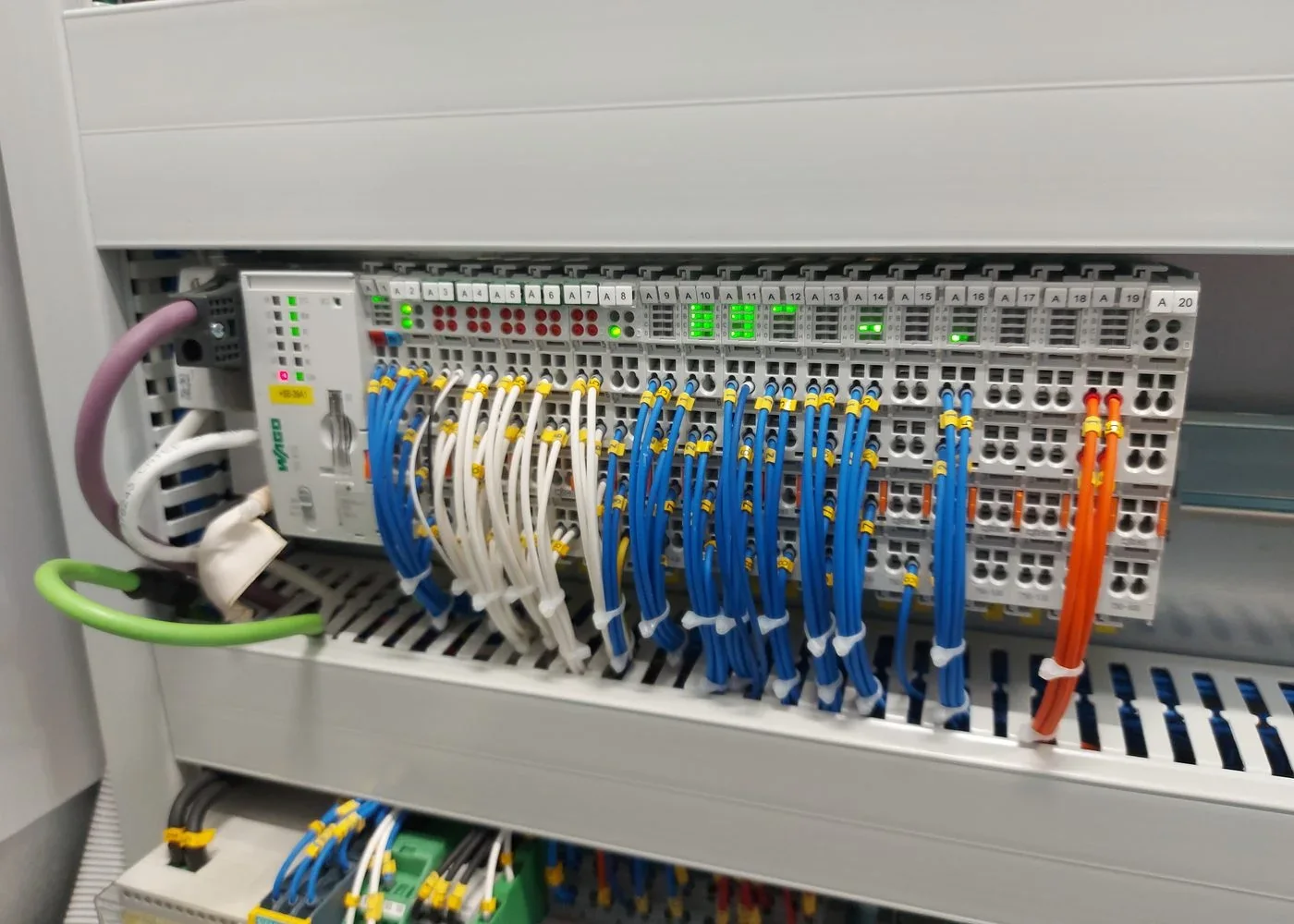
Typical technologies include OPC UA, MQTT, Modbus TCP, Siemens communication, Snap7-related concepts, Python, Flask, Linux, Nginx, Wireshark and industrial Ethernet diagnostics. Depending on the project, data may come from Siemens PLCs, CODESYS-based controllers, WAGO systems, SCADA/HMI stations, edge computers or gateway devices.
The work is not limited to one vendor. The value is in understanding the industrial data path, update rate, signal meaning, network boundary and maintenance responsibility.
How support works
The first step is to clarify what data is needed, where it exists, how often it changes, who consumes it and what the reliability requirements are. A small edge or logging concept can often be tested before a larger integration project is started.
The review also checks what should not be done. A PLC should not become an uncontrolled reporting database, and an IT system should not poll a machine in a way that affects production. The integration path should be simple enough to troubleshoot during a real plant problem.
Remote vs onsite support
Remote support works well for architecture review, tag list discussion, protocol selection, sample data analysis, edge software planning, network captures and documentation. It can define a small proof-of-concept before hardware is installed.
Onsite support is useful when live network diagnostics, cabinet inspection, PLC access, device configuration, signal verification or commissioning of the data path is required. Onsite work should be prepared with the expected tags, network details and access responsibilities.
Deliverables / what the customer gets
- Data path concept and risk notes
- PLC data logging or edge collection approach
- Protocol and network findings
- Segmentation boundary and reliability observations
- Documentation for maintenance and IT/OT teams
Good fit / not a good fit
Good fit: practical PLC-to-database, PLC-to-dashboard, edge logging, OPC UA, MQTT, Modbus TCP, industrial Ethernet diagnostics and data visibility projects.
Not a good fit: large generic software implementation with no automation context, uncontrolled remote access expansion, or projects where the required data and production constraints are not defined.
Related technologies
Related technologies include OPC UA, MQTT, Modbus TCP, Siemens S7 communication, Snap7 concepts, Python, Flask, Linux, Nginx, Wireshark, edge computers, dashboards, databases and industrial network diagnostics. Because data paths affect OT boundaries, OT/ICS readiness is often a related topic.
Related case studies or examples
The Edge-Computer PLC Logger example shows a lightweight way to collect PLC data without making the PLC program responsible for reporting. The IT/OT diagnostics example shows why protocol behavior and network boundaries must be checked before assumptions become production problems.
FAQ
Can IT/OT integration be done without changing PLC logic?
Often yes. It depends on the system, but edge-based or protocol-based data collection can reduce the need for PLC changes.
Is this MES or SCADA implementation?
Not as a generic platform sale. The focus is practical data paths, diagnostics and integration concepts around automation systems.
What should be sent first?
Send the PLC/SCADA platform, required data, destination system, update rate, network context, current problem and any existing tag list or architecture sketch.
Next step
Send the data goal, PLC platform and current architecture. The first review can decide whether a small edge concept, protocol review or network diagnostic step is the right starting point.