PLC migration USA
PLC migration and retrofit support with controlled engineering risk.
Modernization support for legacy PLCs, Siemens-to-CODESYS migration topics and maintainable retrofit documentation.
Short positioning
This service supports U.S. facilities that need to modernize older PLC systems, retrofit machine controls or plan a controlled migration from one automation environment to another. The focus is engineering risk control: understand the current behavior, protect backups, map I/O and communication, then verify the new or modified system with a clear commissioning plan.
Typical problems we solve
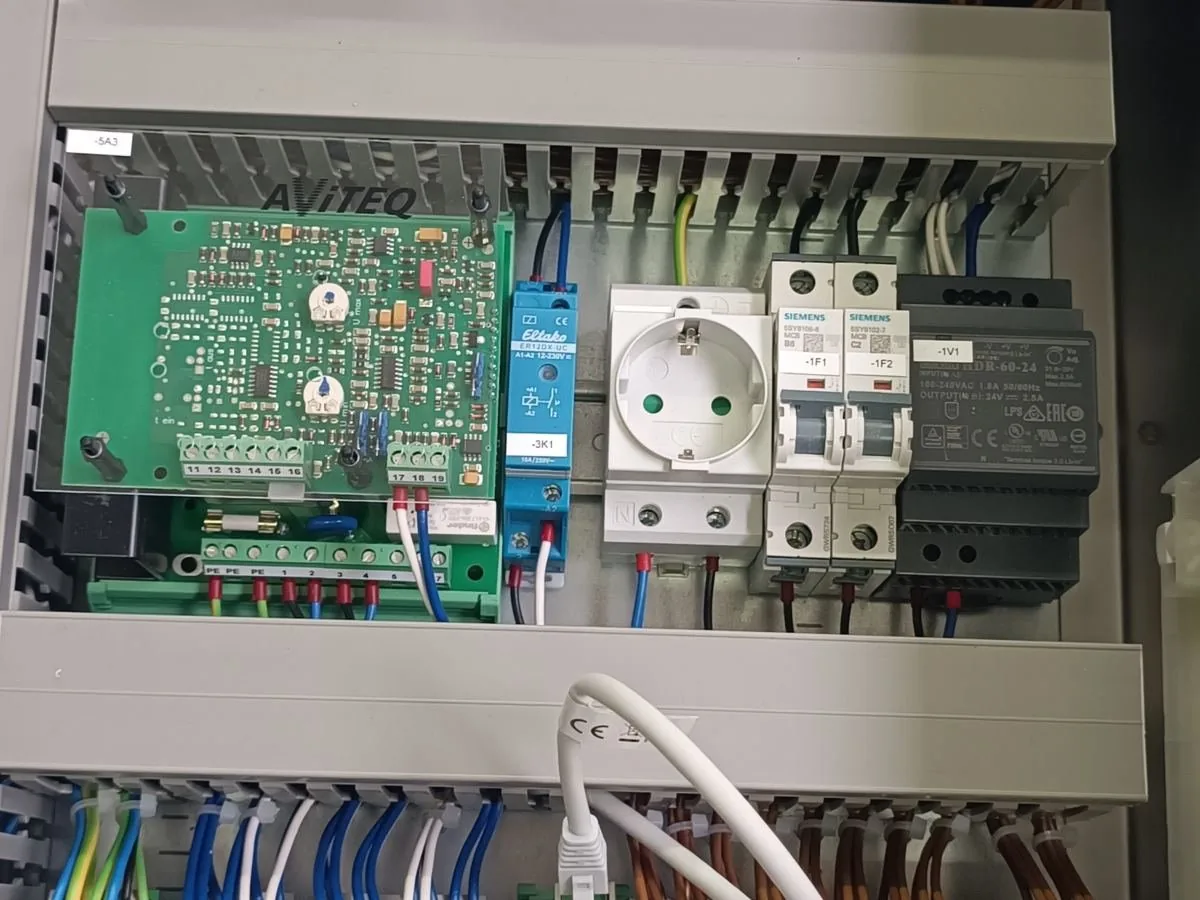
Retrofit and migration projects often fail when they are treated as pure code conversion. The real task is to understand the machine behavior, I/O, interlocks, communication and maintenance needs before changing the control system.
- Legacy PLC systems with weak or outdated documentation
- Siemens / Step7 / TIA to CODESYS-related migration topics
- Machine modernization without losing proven operating behavior
- I/O mapping, communication mapping and HMI dependency questions
- Production risk during retrofit planning or startup
- Need for clearer backup, restore and rollback strategy
Systems and platforms covered
Support can include Siemens TIA / Step7 context, CODESYS-based PLCs, WAGO systems, industrial Ethernet, Profinet, Modbus TCP, OPC UA and documentation around electrical and PLC changes. Projects may involve a full controller replacement, a partial retrofit, a logic cleanup, an HMI update or a staged modernization plan.
The exact scope depends on the condition of the existing program, the available backups, the target hardware, production tolerance for downtime and the quality of electrical documentation.
How support works
Migration support starts with a review of the existing project, machine functions, I/O list, electrical documentation, communication paths and risk areas. A controlled first phase can define what should be migrated, what should be preserved and what should be documented before commissioning.
A practical migration plan separates known behavior from assumptions. It identifies critical states, safety-related plant procedures, external interfaces, operator functions, data exchange, recipe handling, alarm behavior and recovery steps. This reduces the chance that a hidden dependency appears only during production startup.
Remote vs onsite support
Remote support is useful for backup review, project comparison, documentation review, I/O mapping, communication mapping, risk notes and defining the commissioning checklist. It is often the safest first step because it does not disturb the running machine.
Onsite support is appropriate when signals must be verified physically, the machine must be started, field devices must be checked, operators must be coordinated or a FAT/SAT-style verification must be performed near production. Onsite work should be prepared with backups, drawings, test steps and rollback thinking.
Deliverables / what the customer gets
- Migration risk notes and technical scope definition
- I/O and communication mapping support
- Backup, restore and rollback recommendations
- FAT/SAT-style commissioning checklist and validation support
- Documentation notes for maintenance teams
Good fit / not a good fit
Good fit: legacy PLC risk, Siemens-to-CODESYS planning, European machine retrofit, controller replacement, documentation-driven modernization and production systems where behavior must be preserved.
Not a good fit: blind rewrites without access to the real machine context, requests to bypass safety procedures, or modernization projects where no one can define acceptance criteria.
Related technologies
Related technologies include Siemens TIA Portal, Step7 context, CODESYS, WAGO, IEC 61131-3, Profinet, Modbus TCP, OPC UA, I/O lists, electrical drawings, backup systems and commissioning checklists. Documentation is often inseparable from retrofit, so EPLAN documentation support is a related service.
Related case studies or examples
The TIA / Step7 to CODESYS migration example shows why behavior review and risk mapping matter before code conversion. Another common example is a machine that must keep the same operator workflow while the controller platform is modernized.
FAQ
Can a migration start remotely?
Yes. A remote review of backups, project files, I/O lists and documentation is often the safest first step.
Is a migration always a full rewrite?
No. A good retrofit plan may preserve behavior, document risks and modernize only where it creates real value.
What should be sent first?
Send existing PLC type, target idea if known, backups status, electrical drawings, I/O lists, machine type, downtime limits and the reason for migration.
Next step
Send the current PLC platform, the migration goal and the available documentation. The first response can define whether a remote review is enough to plan the next phase.